Northern Headwaters · A guided tour
Dene K'éh Kusān
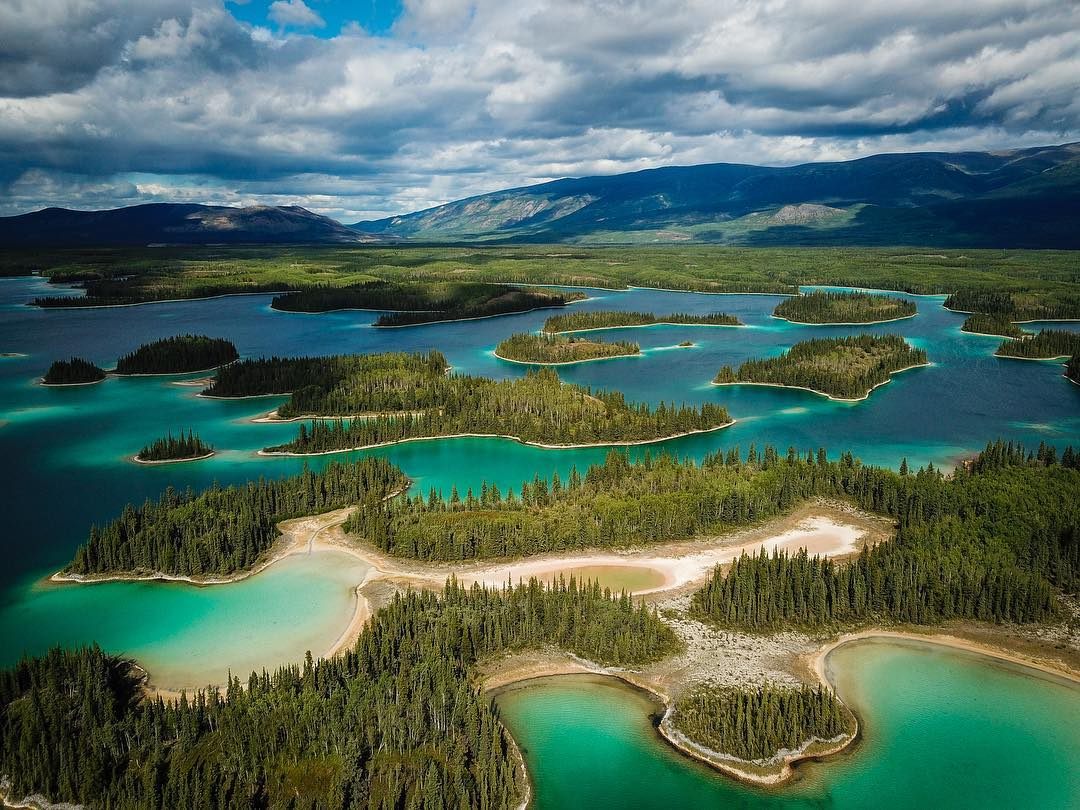
"Always Will Be There." Three million hectares of the best intact game country left in British Columbia — roughly the size of Vancouver Island. Scroll — we'll show you the shape of it.
1 · Where you are
Start with the whole map
This is Kaska Dena country in BC's far north, running right up to the Yukon border. The Alaska Highway skirts the top; Highway 37 runs down the west past Dease Lake and Iskut. The corner map shows where you are in BC.
The dark-green shape is Dene K'éh Kusān — the proposal. The red dashed line is the whole 9.9-million-hectare planning area around it.
2 · The scale
Hold this number in your head
The green covers about 3 million hectares — roughly the size of Vancouver Island, or of Belgium. Almost no roads cross it. It's one of the largest intact landscapes left anywhere in the province.
3 · The heart
Roadless river country
The core is the Kechika, Turnagain and Gataga river country — no roads, no power lines, just the ancestral trails. It's been called "the Serengeti of the north": moose, Stone sheep, grizzly, wolf, and seven caribou herds in country big enough to keep them.
This is the kind of intact scale that gives caribou a real chance — before the disturbance threshold is crossed, not after.
4 · Not a lock-up
Protect the core, keep the rest working
More than 92% of Dene K'éh Kusān already sits inside the Muskwa-Kechika, a special-management zone with rules for decades. This is a step up in protection for land already managed — not a new lock-up.
Outside the green line, existing land-use plans continue, and the Dease-Liard corridor down the west side is being updated to enable mineral development in the right places, with faster, clearer permitting.
5 · The people
This is a homeland, lived in
Kaska communities — Lower Post, Good Hope Lake, Fireside, Fort Ware — live in and around this country and have for at least 4,500 years. Guide-outfitters, trappers, and Kaska Land Guardians work the same ground.
The name says the intent: Dene K'éh Kusān — "Always Will Be There."
6 · The whole picture
One conservancy, kept open
Three million hectares of protected core, proposed jointly by the BC government and the Kaska — with hunting, guiding, trapping, and a growing conservation economy explicitly kept in.
The boundary was recently changed by more than 20% through public and industry engagement.
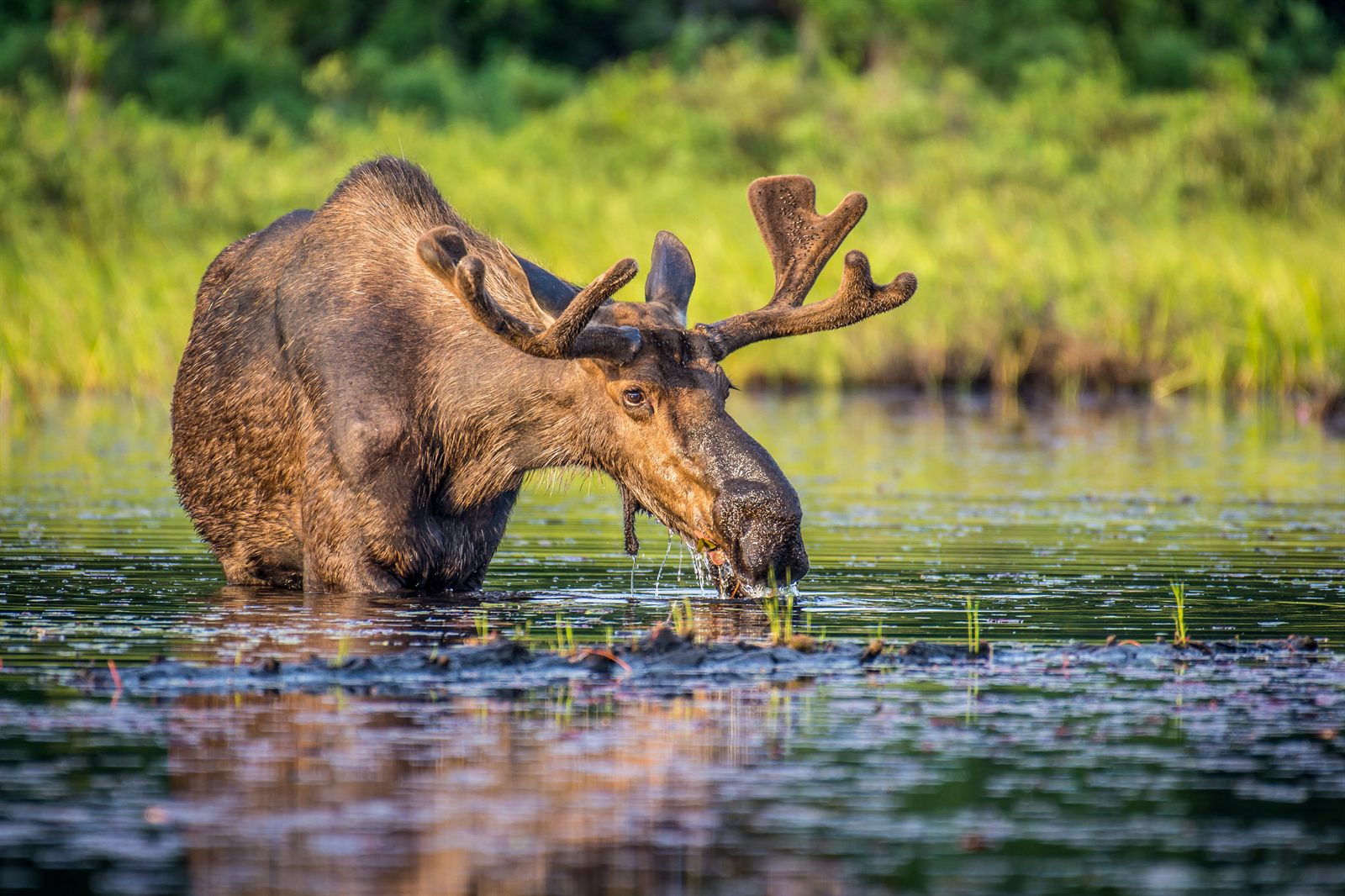
We call it the Serengeti of the north. There's an abundance of wild animals. It's untouched, no roads, just the ancestral trails that we use for getting back and forth.Donny Van Somer, then-Chief of Kwadacha NationQuoted in The Narwhal, 2019
What "protected" actually means here
Dene K'éh Kusān is a Kaska-led Indigenous Protected and Conserved Area. The BC proposal would give it protection under the Park Act as a conservancy — while explicitly keeping the uses that define this country, for Kaska and non-Kaska alike.
"Always Will Be There," in the Kaska language — a promise of permanence for the land. The Kaska have been developing it as an Indigenous Protected and Conserved Area for years; the BC conservancy is the province's step toward recognizing what the Kaska have already identified as the core of their homeland.
Outside the conservancy, the plan updates the Dease-Liard management area to enable mineral development in high-potential zones with faster, more predictable permitting — a structure some mining companies have publicly backed, because it says clearly where development is and isn't welcome. Protect the core; develop in the right places.
You've seen the map — now it's your turn
Make your voice heard
This is one of the largest conservation proposals in Canada, led by the Kaska — and the decision is now in front of the province.
Send a message to decision-makers Go back to main pageThe form takes about 5 minutes. Your message goes straight to the decision-makers.